Easter Board Game: A Strategic Approach to Festive Engagement
Integrating seasonal themes into professional or personal workflows requires more than just aesthetic adjustments; it demands a structured approach that balances fun with functionality. The Easter Board Game, specifically the unique variant known as Easter Ludo, offers a compelling case study in how traditional mechanics can be reimagined for modern contexts. Inspired by the classic game of Pachisi, this edition transforms the standard playing field into a vibrant spring garden. For professionals, educators, and community organizers looking to facilitate team building, client engagement, or family bonding, understanding the mechanics and implementation of this game is essential for maximizing its impact.
The Core Mechanics and Design Philosophy
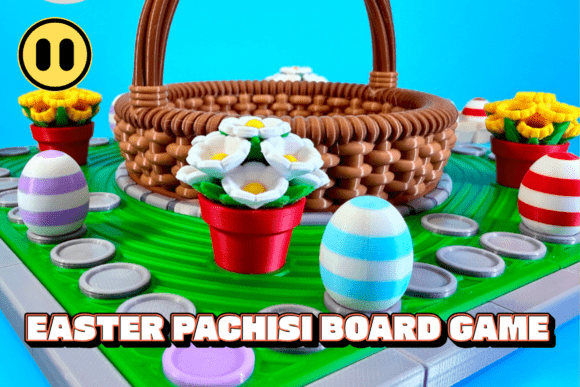
At its foundation, Easter Ludo operates on familiar rules but introduces specific design elements that enhance usability and thematic immersion. The board is not merely a static surface; it is a dynamic workspace divided into two parts. This foldable design is a critical feature for logistics, allowing for easy storage and printing without compromising the integrity of the play area. In a professional setting where space is often at a premium, such modularity ensures that the game can be deployed quickly during breaks, workshops, or events and stored efficiently afterward.
The transformation of classic tokens into colorful Easter eggs serves a dual purpose. Visually, it aligns with the spring atmosphere, creating an immediate emotional connection for players aged 20 to 50 who appreciate thoughtful design. Functionally, these eggs replace standard pawns, offering a tactile difference that can improve player engagement. Each player is equipped with their own set of eggs and a dedicated egg tray. This organizer component is vital for maintaining order during gameplay, preventing pieces from scattering and ensuring that the flow of the game remains uninterrupted. The goal shifts from reaching a generic home base to collecting all eggs in a central basket, a mechanic that reinforces the theme of gathering and completion.
Stability and Structural Integrity
One of the most significant challenges in deploying physical games in varied environments is stability. Easter Ludo addresses this through built-in slots designed to hold magnets. While optional, these magnets are a crucial asset for preventing the board from shifting during active play. For event planners or educators managing groups of varying sizes, this feature reduces friction and potential frustration. The ability to secure the board means the game can withstand the movement of multiple players without losing alignment, a key factor in maintaining the quality of the experience.
Furthermore, the central basket acts as the focal point of the strategy. Designed with grooves to keep elements in place, it prevents the chaotic stacking of tokens often seen in traditional versions. This attention to detail in the basket's design ensures that the endgame is as organized as the opening moves. Decorative details, such as flower pots placed in the corners, add a festive touch while serving as visual anchors. When magnetized, these pots further stabilize the board's edges, demonstrating a design philosophy that prioritizes both aesthetics and structural reliability.
Integration into Professional and Personal Workflows
Understanding where the Easter Board Game fits within a broader process is key to leveraging its value. It is not merely a pastime but a tool that can be strategically positioned before, during, or after a project cycle. For instance, in a corporate environment, introducing this game before a brainstorming session can serve as an effective icebreaker. The relaxed nature of the game lowers social barriers, encouraging open communication among team members who might otherwise hesitate to share ideas. The shared focus on the spring garden board creates a neutral ground, fostering collaboration without the pressure of immediate deliverables.
During active project phases, the game can function as a reward mechanism or a reset button. When teams hit a plateau or experience burnout, a scheduled 20-minute session with Easter Ludo can provide the mental break necessary to regain focus. The clear objectives and turn-based structure allow the brain to switch contexts, promoting cognitive flexibility. After a major milestone or project completion, the game serves as a celebratory activity. The act of placing eggs into the central basket metaphorically mirrors the successful delivery of project components, reinforcing a sense of achievement and closure.
Facilitating Decision-Making and Strategy
Beyond relaxation, the strategic depth of Easter Ludo offers opportunities for practicing decision-making skills. Players must constantly evaluate risk versus reward, deciding when to move forward aggressively or when to protect their position. These micro-decisions mirror real-world scenarios faced by entrepreneurs and managers. By engaging with the game, individuals can practice anticipating opponent moves and adapting to changing circumstances in a low-stakes environment. This makes the game a valuable asset for leadership training or workshops focused on strategic thinking.
For educators and trainers, the game provides a platform for teaching concepts like resource management and turn-taking. The limited number of eggs per player requires careful allocation, while the numbered game tiles introduce an element of probability that must be managed. The interaction between players—negotiating space on the board, blocking opponents, or racing to the center—simulates competitive market dynamics. Observing these interactions allows facilitators to identify natural leaders, collaborative tendencies, and conflict resolution styles within a group.
Implementation Guidelines and Logistics
Successful integration of the Easter Board Game into any workflow depends on thorough preparation and compatibility checks. Before deployment, it is essential to verify the condition of all components. The set includes two parts of the board, two different designs of Easter Egg Pawns, smooth and numbered game tiles, two versions of the basket, two designs of flower pots, and an egg tray organizer. Ensuring that all these elements are present and functional prevents disruptions during the activity.
Preparation Steps:
- Assembly: Connect the two board parts securely. If using magnets, ensure they are correctly seated in the built-in slots to maximize stability.
- Organization: Distribute the egg trays to each player (2–4 players). Place the corresponding Easter eggs into the trays to avoid confusion regarding ownership.
- Setup: Position the flower pots in the corners. If the venue has uneven surfaces, utilize the magnetic options to anchor the board firmly.
- Rule Briefing: Clearly explain the objective: moving eggs from the starting path to the central basket. Clarify the use of game tiles and the rules for capturing or blocking, if applicable to your specific variation.
Compatibility with other tools and resources is another factor to consider. The game works well alongside digital timers for tracking rounds or whiteboards for recording scores in tournament settings. For remote or hybrid teams, the physical nature of the game presents a challenge, but it can be adapted by having participants join in person for quarterly meetups or by using video conferencing to stream the gameplay for remote observers. The tangible assets—the eggs, the basket, the textured tiles—offer a sensory experience that digital alternatives cannot replicate, making physical presence highly valuable.
Quality Control and Long-Term Use
To ensure the longevity of the Easter Board Game, proper maintenance is required. The foldable nature of the board means it should be stored flat to prevent creasing or warping over time. The plastic or ceramic components, such as the eggs and flower pots, should be handled with care to avoid chipping. Regularly checking the magnets for strength and the grooves in the basket for wear will maintain the game's functionality. For organizations planning to use the game annually, investing in high-quality materials or protective cases can extend its lifespan significantly.
Consistency in usage also enhances the game's value. Establishing a routine, such as playing during the first week of spring or at every quarterly review, helps embed the activity into the organizational culture. This consistency builds anticipation and ensures that the game becomes a recognized part of the workflow rather than an occasional novelty. By treating the Easter Board Game as a structured asset rather than a casual diversion, teams can derive greater benefits in terms of cohesion, creativity, and morale.
Outcomes and Strategic Value
The ultimate outcome of integrating Easter Ludo into a workflow is a strengthened sense of community and improved interpersonal dynamics. The game fosters a shared language and experience, which can translate into better communication outside the gaming context. Participants often report feeling more connected to their peers after engaging in a collaborative yet competitive activity. The visual appeal of the spring garden board and the tactile satisfaction of handling the eggs contribute to a positive emotional state, which is conducive to problem-solving and innovation.
Moreover, the game serves as a reminder of the importance of balance. Just as players must balance aggression with caution on the board, professionals must balance work intensity with rest and recreation. The Easter Board Game provides a structured way to achieve this balance, offering a moment of pause that refreshes the mind and prepares it for the next phase of work. Whether used in a startup office, a classroom, or a family home, the principles of planning, execution, and reflection inherent in the game offer valuable lessons for navigating complex projects and achieving long-term goals.
In conclusion, the Easter Board Game is more than a seasonal toy; it is a versatile tool for engagement and strategy. Its thoughtful design, featuring foldable boards, stable magnetic options, and thematic elements like the central basket and egg pawns, makes it suitable for a wide range of users. By approaching its implementation with a process-oriented mindset, focusing on preparation, organization, and consistent use, individuals and organizations can unlock its full potential. From breaking the ice in a new team to celebrating a major milestone, Easter Ludo offers a unique blend of tradition and innovation that enriches the human experience in both professional and personal spheres.