Celebrating the 4th of July with Professional Embroidery Workflows
The 4th of July stands as a cornerstone of American culture, marking the anniversary of the adoption of the Declaration of Independence. For creators, small business owners, and hobbyists, this holiday represents more than just a day off; it is a critical milestone in the seasonal production calendar. Whether you are running a custom apparel shop, managing a community event, or crafting gifts for family, integrating high-quality design assets into your workflow ensures that your output meets professional standards. The demand for patriotic gear peaks weeks before the actual date, making early planning and asset selection essential for success.
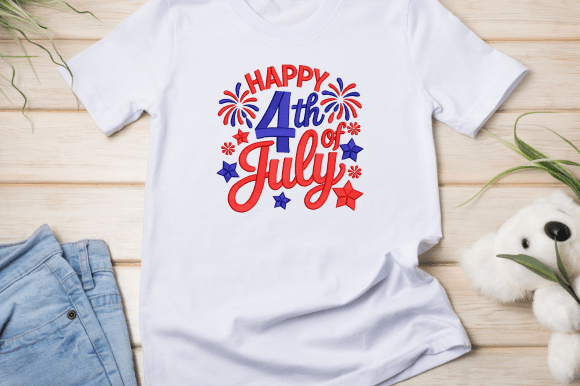
A robust creative process for Independence Day begins with selecting the right visual elements. A standout option for this season is a high-quality satin stitch "Happy 4th of July" embroidery design. This specific asset is engineered to deliver crisp, professional results on stretchable fabrics, distinguishing it from lower-resolution alternatives that often pucker or distort on knits. By prioritizing designs optimized for machine embroidery, you streamline the production phase, reducing the time spent on troubleshooting stitching errors and increasing the volume of sellable inventory.
Strategic Planning for Holiday Production
Successful execution of a 4th of July project requires a structured approach that spans from concept to final delivery. The timeline for holiday merchandise typically begins in late spring. During this pre-production phase, the focus shifts to sourcing compatible digital files and testing them on various substrates. The "Happy 4th of July" design mentioned earlier serves as a versatile anchor for these projects. Its combination of bold satin-stitched lettering, dynamic fireworks, and 3D-style stars provides a visually striking aesthetic that appeals to a wide demographic, from children to adults.
Before committing to a bulk run, it is prudent to conduct a test stitch on the intended fabric. Stretchable materials like t-shirts, baby bodysuits, and polos present unique challenges due to their elasticity. If the digitization is not optimized for movement, the thread tension can cause the fabric to gather, ruining the garment. This specific design addresses that concern by being carefully crafted for smooth stitching on knits and cotton tees. Integrating this compatibility check into your standard operating procedure minimizes waste and ensures consistency across your product line.
Furthermore, consider the broader context of your brand or personal goals. If you are an entrepreneur launching a summer collection, this design acts as a flagship item. It interacts seamlessly with other marketing assets, such as social media previews and e-commerce listings. The vibrant red and blue color palette aligns perfectly with traditional patriotic themes, requiring minimal additional graphic design work to create cohesive promotional materials. This efficiency allows you to allocate more resources to logistics, customer service, and distribution.
Optimizing Fabric and Machine Compatibility
The technical execution of embroidery relies heavily on the synergy between the digital file, the machine, and the physical fabric. When working with the 4th of July theme, versatility is key. The design must perform well across different applications, ranging from casual wear to home decor. One of the primary advantages of using professionally digitized files is the inclusion of multiple embroidery file formats. This feature ensures compatibility with a vast array of embroidery machines, from entry-level hobbyist models to industrial-grade equipment used in commercial settings.
For professionals working with stretch fabrics, the choice of stabilizer is just as critical as the design itself. While the "Happy 4th of July" design is optimized for these materials, the operator must still apply appropriate backing to support the stitches during the sewing process. Without adequate stabilization, even the best-digitized design can suffer from distortion. Incorporating a step in your workflow to select the correct tear-away or cut-away stabilizer based on the fabric weight will significantly enhance the final quality.
In addition to garments, this design finds utility in accessories and home goods. Tote bags, caps, and decorative pillows are popular items for Independence Day celebrations. The 3D-style stars and dynamic fireworks elements add texture and depth that elevate these items beyond simple printed graphics. When expanding your product range to include these diverse categories, ensure that your machine settings are adjusted for the specific thickness and texture of each material. Consistency in tension and speed settings helps maintain the integrity of the satin stitches across different products.
Implementation Tips for Custom Apparel and Gifts
Implementing this design into your routine requires attention to detail regarding placement and sizing. For t-shirts and polos, the chest area is a classic location, but larger versions can be placed on the back for a statement look. When working with kids' wear or baby bodysuits, smaller, centered placements often yield the best results, ensuring the design does not interfere with comfort or movement. The vibrant colors inherent in the design make it suitable for both light and dark fabrics, though color matching should always be verified against the base material to ensure contrast and visibility.
Efficiency in the production line can be achieved by batching similar tasks. Group all t-shirt embroideries together, followed by tote bags and then home decor items. This reduces the time spent changing hoops, threads, and stabilizers. Since the design comes in multiple formats, you can easily transfer the file to your machine without needing complex conversion software, saving valuable time during peak production periods. This streamlined approach is particularly beneficial for small business owners who may be handling multiple orders simultaneously.
Quality control remains a vital component of the post-production phase. After stitching, inspect each item for loose threads, skipped stitches, or fabric puckering. The bold satin-stitched lettering should appear smooth and uniform, while the 3D stars should maintain their shape without collapsing. Addressing any defects immediately ensures that only premium products reach the customer. For those selling online, clear photography of the finished embroidery can significantly boost conversion rates, showcasing the professional finish that sets your work apart from mass-market options.
Long-Term Value and Seasonal Adaptability
Beyond the immediate rush of the 4th of July, investing in high-quality embroidery designs offers long-term value. The "Happy 4th of July" motif can be adapted for year-round use in contexts that celebrate American heritage, such as Memorial Day events, Veterans Day gatherings, or general patriotic displays. The core elements—stars, fireworks, and bold typography—are timeless symbols that resonate with consumers throughout the year. By building a library of such versatile assets, you create a foundation for recurring revenue streams and consistent brand identity.
Moreover, the skills and workflows developed through mastering this design translate to other seasonal projects. Understanding how to manage stretch fabrics, optimize file formats, and maintain quality control prepares you for future demands, whether for Halloween, Christmas, or Valentine's Day. The process-oriented mindset required to execute a successful 4th of July campaign fosters discipline and precision that benefit all aspects of your creative or business endeavors.
Ultimately, celebrating American pride in style involves more than just choosing a festive pattern; it requires a commitment to excellence in execution. By leveraging a well-crafted embroidery design that balances aesthetics with technical performance, you ensure that your contributions to the holiday are memorable and enduring. Whether you are producing a single gift for a loved one or fulfilling a large corporate order, the integration of professional tools and methods guarantees a result that honors the spirit of Independence Day while meeting the highest standards of craftsmanship.