Haunting House SVG: A Deep Dive into 3D Gothic Paper Craft Design
The intersection of digital precision and tactile creativity has given rise to a new era in seasonal decoration, where vector files serve as the blueprint for intricate physical art. Among the most compelling designs in this space is the Haunting House SVG, a digital file that transforms flat cardstock into a dramatic, three-dimensional gothic structure. This design is not merely a silhouette; it is a complex architectural model featuring an exaggerated swooping roof, glowing gothic windows, and detailed textures that capture the essence of a classic Halloween nightmare. For creators ranging from professional papercrafters to hobbyists looking to elevate their holiday decor, understanding the mechanics, materials, and applications of this specific design offers valuable insights into modern crafting workflows.
The Architectural Anatomy of a Digital Ghost Story
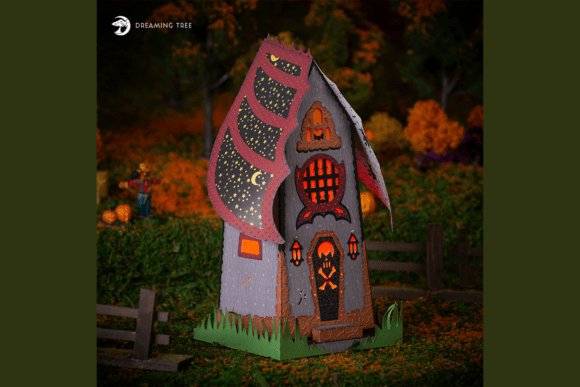
What distinguishes a high-quality paper craft project from a simple cutout is the depth of its design language. The Haunting House SVG leverages advanced vector techniques to simulate three-dimensionality on a two-dimensional cutting mat. When the pieces are assembled, they create a structure with significant visual weight and presence. The defining characteristic of this design is its roofline, which utilizes an exaggerated swoop to break the monotony of standard geometric shapes. This curvature adds a sense of movement and unease, essential for capturing the "creepy-chic" aesthetic that defines modern Halloween trends.
Beyond the silhouette, the detailing within the vector file is where the true craftsmanship lies. The design incorporates specific elements such as lanterns hanging from eaves, skull-and-crossbones door detailing, and eerie textures that mimic weathered wood or crumbling stone. These details are not afterthoughts but integral parts of the SVG pathing. By including these micro-elements, the file ensures that the final assembly reads as a cohesive scene rather than a collection of disjointed shapes. The inclusion of patterned layers, such as spiderwebs and stars, allows for the creation of atmospheric lighting effects when vellum is used, simulating the glow of a haunted interior.
Material Science and Color Theory in Seasonal Crafting
A successful execution of the Haunting House SVG relies heavily on the strategic selection of materials. While the digital file provides the geometry, the physical properties of the paper determine the structural integrity and visual impact of the finished piece. The recommended supply list for this project suggests a sophisticated palette designed to evoke a specific mood through color theory and texture contrast.
Cardstock Selection and Structural Integrity
The foundation of the house requires sturdy materials. Four sheets of 12x12 black cardstock form the primary structure, providing the necessary rigidity for the walls and roof. Black serves as the void against which other colors pop, creating high contrast essential for gothic imagery. To introduce warmth and decay, the design calls for pomegranate, moss, and clay colored cardstocks. These earthy tones suggest rust, overgrown vegetation, and aged masonry, grounding the fantastical elements in a semblance of reality. Using 8.5x11 sizes for some accents alongside the standard 12x12 sheets demonstrates an efficient use of material, minimizing waste while maximizing design complexity.
Texture and Pattern Integration
Flat colors can sometimes appear sterile in a horror-themed context. To combat this, the Haunting House SVG design integrates patterned papers, including grey patterns, star motifs, and spiderweb designs. These patterns add visual noise and depth, preventing the eye from gliding too smoothly over the surface. The inclusion of orange and yellow vellum paper is particularly strategic. Vellum acts as a light diffuser; when placed behind internal LED lights or positioned near a window, it creates the illusion of a supernatural glow emanating from within the house. This layering technique transforms a static object into a dynamic focal point that changes appearance depending on the ambient lighting.
Embellishment Techniques
To further enhance the tactile experience, the project encourages the use of liquid pearls, rhinestones, ink, and embossing folders. Embossing folders can be run over the cardstock before cutting to add raised texture, simulating brickwork or peeling paint. Liquid pearls and rhinestones catch the light, adding a touch of sparkle that contrasts sharply with the dark, ominous theme. This juxtaposition of the macabre and the glamorous is a hallmark of contemporary Halloween aesthetics, appealing to audiences who appreciate both the scary and the stylish.
Workflow Optimization for Cutting Machines
The transition from digital file to physical object is facilitated by SVG-ready cutting machines, which have become ubiquitous in both home studios and professional manufacturing environments. The Haunting House SVG is specifically engineered with 12x12 cutting machines in mind, ensuring that the layout fits efficiently within the standard workspace of devices like Cricut or Silhouette Cameo. However, the flexibility of vector formats allows for scalability. Creators can resize the project to fit smaller mats or larger commercial plotters, though it is important to note that scaling may slightly alter the final dimensions relative to the original 11-inch height, 6.5-inch width, and 5.25-inch depth specifications.
Efficiency in the workflow is critical, especially when dealing with multi-layered projects involving different paper types. The accompanying PDF legend provided with the download serves as a crucial tool for organization. It maps out every piece of the puzzle, helping the crafter identify which color corresponds to which vector layer. This reduces errors during the loading process and streamlines the cutting sequence. By grouping cuts by material type—cutting all black cardstock first, then moving to patterned papers—the creator minimizes machine downtime and maintains a logical assembly order.
Furthermore, the compatibility of the file across various software platforms ensures accessibility. Whether using proprietary design suites or third-party vector editors, the Haunting House SVG retains its integrity. This interoperability is vital for professionals who may need to tweak the design slightly to accommodate custom branding or unique display requirements without compromising the structural logic of the original file.
Application Scenarios: From Mantels to Commercial Displays
The versatility of the Haunting House SVG extends far beyond a single DIY project. Its modular nature and striking visual profile make it suitable for a wide array of applications, catering to diverse user needs.
Home Decor and Centerpieces
For the home enthusiast, this design serves as an exceptional tabletop centerpiece. Placed on a dining table surrounded by candles, the 3D structure becomes the anchor of the holiday setting. Alternatively, it functions beautifully as an LED-lit mantel decoration. By inserting battery-operated fairy lights inside the house before sealing the back, the vellum panels transform into glowing windows, casting spooky shadows across the room. This application turns a passive decoration into an active source of ambiance.
Retail and Event Styling
Business owners and event planners can leverage the Haunting House SVG for larger-scale installations. Imagine a series of these houses, varying slightly in size, arranged to form a haunted village on a store window ledge or at the entrance of a party venue. The consistent design language ensures a cohesive look, while the handcrafted charm adds a level of authenticity that mass-produced plastic decorations lack. Retailers can also use these as standalone props to sell alongside their own products, creating an immersive shopping experience that encourages customer engagement.
Educational and Workshop Settings
For educators and workshop leaders, the Haunting House SVG offers a structured learning opportunity. The step-by-step video tutorial included with the download makes it an ideal project for teaching spatial reasoning, following instructions, and fine motor skills. In a classroom setting, students can learn about vector graphics, color theory, and the engineering principles behind 3D assembly. The clear legend and organized file structure reduce the cognitive load, allowing learners to focus on the creative process rather than troubleshooting technical issues.
Considerations for Assembly and Longevity
While the digital file provides the roadmap, the physical assembly requires patience and attention to detail. The inclusion of a step-by-step video tutorial is a significant asset, guiding users through the folding, scoring, and gluing processes. Proper alignment is key; even a millimeter of misalignment can affect the stability of the swooping roof or the symmetry of the windows. Using a strong adhesive like glue dots or a hot glue gun is recommended for the structural joints, while lighter adhesives work well for the decorative overlays.
Longevity is another factor to consider. Since the project relies on paper and cardstock, it is susceptible to environmental factors such as humidity and direct sunlight. For long-term displays, sealing the finished product with a matte varnish spray can protect the surfaces from dust and moisture. Additionally, storing the unassembled pieces in a dry place until the season arrives ensures that the paper remains crisp and easy to fold. The use of acid-free cardstock and archival-quality inks can further extend the life of the decoration, making it a keepsake that can be enjoyed year after year.
Conclusion on the Evolution of Spooky Crafts
The Haunting House SVG represents more than just a seasonal decoration; it is a testament to the evolution of crafting technology and design. By combining the precision of digital vector art with the warmth of handcrafted assembly, it bridges the gap between industrial efficiency and personal expression. Whether utilized by a business owner creating a themed display, an educator teaching design principles, or a hobbyist decorating their home, this project offers a rich, multi-sensory experience. Its detailed architecture, thoughtful material requirements, and versatile applications ensure that it stands out in a crowded market of Halloween decor. As the spooky season approaches, embracing such intricate designs allows creators to bring a touch of gothic elegance and handcrafted charm to their haunted happenings, proving that the scariest things can also be the most beautiful.