Low Poly Elephant Sculpture: A Modern 3D Model
In the evolving landscape of digital fabrication and interior design, few objects capture the intersection of nature and geometry quite like the Low Poly Elephant Sculpture. This specific 3D model represents more than just a file to be printed; it is a statement piece that bridges the gap between organic forms and contemporary minimalism. For hobbyists, professional designers, and business owners alike, this model offers a unique opportunity to explore the aesthetic potential of geometric abstraction while maintaining the recognizable majesty of one of the world's most iconic animals.
The Art of Geometric Abstraction in 3D Printing
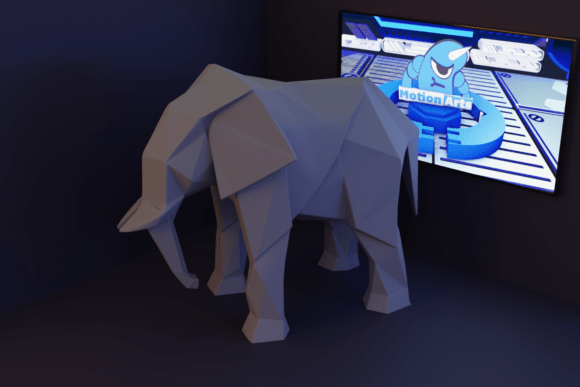
At its core, the Low Poly Elephant Sculpture utilizes a technique known as low-polygon modeling. Unlike high-resolution models that strive for photorealism through millions of tiny triangles, low poly art embraces simplicity. It constructs complex shapes using a limited number of polygons, resulting in sharp edges, flat surfaces, and a distinct faceted appearance. When applied to an elephant, the result is striking. The massive, heavy silhouette of the animal is reimagined through clean lines and defined planes, creating a visual rhythm that feels both ancient and futuristic.
This approach is particularly effective for 3D printing because it aligns perfectly with the additive manufacturing process. The flat faces of the model often require less intricate support structures compared to highly curved organic models, although some support is still necessary for overhangs like the trunk or ears. The final output is a robust, stylized object that highlights the strength and dignity of the elephant without getting lost in unnecessary detail. It is a testament to how reducing complexity can actually enhance visual impact.
Key Characteristics of the Design
Understanding the specific attributes of this model helps users maximize its potential. The design prioritizes a strong, imposing silhouette, ensuring that the sculpture remains recognizable from various angles. The minimalist nature of the artwork means it does not compete with other elements in a room or a display case; instead, it anchors the space with its presence.
- Geometric Surfaces: The body is composed of interlocking triangles and polygons that catch light differently depending on the viewing angle, creating dynamic shadows and highlights.
- Defined Lines: Sharp edges replace smooth curves, giving the piece a modern, architectural feel that fits well in contemporary settings.
- Structural Integrity: Despite the abstract style, the model maintains the proportional weight of an elephant, making it stable once printed.
- Beginner Friendly: The STL file is optimized for ease of use, making it an excellent choice for those new to 3D printing who want a successful first project.
Practical Applications Across Environments
The versatility of the Low Poly Elephant Sculpture extends far beyond a simple desk ornament. Its neutral yet sophisticated aesthetic allows it to function effectively in a wide range of personal, professional, and commercial contexts.
Interior Design and Home Decor
For homeowners and interior enthusiasts, this sculpture serves as a conversation starter. Placed on a bookshelf, mantelpiece, or side table, it introduces a touch of modern art without overwhelming the existing decor. The clean lines complement mid-century modern, industrial, and Scandinavian design styles equally well. Because the design is abstract, it avoids the clutter of hyper-realistic figurines, offering a sense of calm and order. It is particularly effective in spaces where lighting plays a crucial role; the facets reflect ambient light, adding depth to a room during the day and creating intriguing shadow patterns at night.
Educational and Creative Workshops
Teachers and workshop leaders can utilize the Low Poly Elephant Sculpture as an educational tool. In STEM (Science, Technology, Engineering, and Mathematics) classes, the model provides a tangible example of geometry in action. Students can analyze how three-dimensional forms are constructed from two-dimensional planes. Furthermore, the "beginner" difficulty level makes it accessible for students learning the basics of slicing software and printer calibration. It allows educators to focus on the concepts of support structures, layer adhesion, and material properties without the frustration of a failed, overly complex print.
Corporate Branding and Client Gifts
Businesses often seek unique ways to brand their environment or gift clients. A customized Low Poly Elephant Sculpture can serve as an elegant corporate gift that symbolizes strength, wisdom, and memory—traits associated with elephants. Companies can print these models in premium materials like resin or metal-infused filaments to create high-value items for executive offices or trade show displays. The modern aesthetic signals innovation and forward-thinking, aligning well with tech startups, creative agencies, and architectural firms looking to reinforce their brand identity through physical objects.
Strategic Considerations for Implementation
While the model is designed for accessibility, achieving the best results requires attention to detail. Understanding the technical requirements ensures the final product meets your expectations.
Material Selection and Finish
The choice of filament or resin significantly impacts the final look. PLA is a popular choice for beginners due to its ease of printing and variety of colors. However, for a more sophisticated finish, consider PETG or ABS, which offer greater durability and a smoother surface after post-processing. If you aim for a metallic look, specialized filaments containing copper or bronze particles can transform the sculpture into a piece of jewelry-grade art. The geometric nature of the low poly style means that color choices should be bold and deliberate; solid, matte finishes often work better than glossy ones, as they emphasize the shape rather than the reflection.
Support Structures and Slicing
As noted in the model specifications, supports are required. The elephant's trunk and the underside of the ears typically extend outward, necessitating temporary structures to prevent sagging during the print. When slicing the STL file, ensure your software generates tree-like or standard supports that are easy to remove without damaging the delicate edges of the polygons. Proper orientation of the model on the build plate is also critical. Positioning the elephant to minimize the surface area of overhangs can reduce the amount of support material needed, saving time and resources.
Evaluation and Quality Control
Before committing to a large-scale production run or a high-cost material, it is wise to print a small test version. This allows you to evaluate the wall thickness, the clarity of the geometric lines, and the stability of the base. Check for warping or layer shifting, which can distort the sharp angles essential to the low poly aesthetic. Adjusting print speed and temperature based on these tests will ensure that the final Low Poly Elephant Sculpture stands as a precise representation of the digital file.
Conclusion
The Low Poly Elephant Sculpture is more than a trend; it is a functional piece of art that demonstrates the power of simplification in design. Whether used to decorate a home, educate a classroom, or elevate a corporate brand, this model offers a blend of aesthetic appeal and practical utility. By embracing the geometric interpretation of nature, creators can produce objects that are visually striking, structurally sound, and deeply meaningful. As 3D printing continues to democratize manufacturing, pieces like this remind us that technology and artistry can coexist beautifully, turning simple polygons into enduring symbols of strength and elegance.