The Versatility of the Christmas Tree Cookie Cutter in Modern Holiday Baking
Holiday baking has evolved from a simple seasonal tradition into a sophisticated form of creative expression. At the heart of this festive culinary art lies the humble cookie cutter, a tool that transforms dough into edible storytelling. Among the myriad shapes available, the Christmas Tree Cookie Cutter remains an enduring icon. Its classic silhouette instantly evokes memories of family gatherings, holiday markets, and the warmth of the season. However, the modern iteration of this tool, particularly those designed for 3D printing, offers a level of customization and versatility that traditional metal or plastic cutters simply cannot match.
For bakers ranging from home enthusiasts to professional pastry chefs, the ability to customize tools is no longer a luxury but a practical necessity. The shift toward digital fabrication allows creators to download specific designs, such as the Christmas Tree Cookie Cutter, and produce them on demand. This approach not only reduces waste but also ensures that every baker can access tools tailored precisely to their needs, whether they require a miniature tree for a cupcake topper or a large centerpiece for a holiday platter.
Scaling Festive Designs: The Advantage of Multi-Size Options
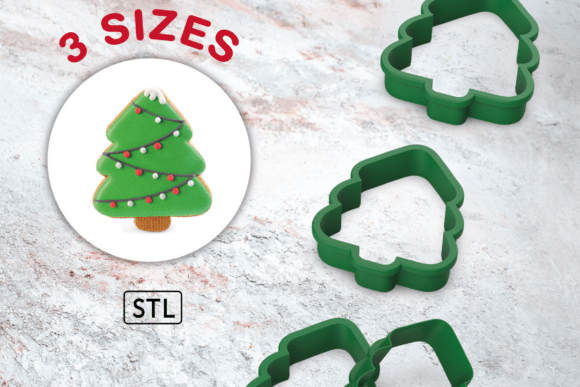
One of the most significant challenges in holiday decorating is achieving visual balance. A single size of cookie often fails to create a dynamic presentation. This is where the concept of a multi-size Christmas Tree Cookie Cutter set becomes invaluable. By offering small, medium, and large variations within a single design ecosystem, bakers can create depth and hierarchy in their arrangements.
Consider the application of these varying sizes in a real-world scenario. A small tree cookie, perhaps two inches tall, serves perfectly as a garnish for frosted cupcakes or as part of a "cookie bouquet." These diminutive treats are bite-sized, making them ideal for children's parties or as palate cleansers at formal dinners. In contrast, a medium-sized cutter produces cookies substantial enough to be decorated with intricate royal icing details, such as tiny ornaments, snowflakes, and star toppers. These are the standard cookies found in gift tins and holiday exchanges.
The large variant opens up entirely new possibilities. These oversized trees can function as edible centerpieces or structural elements in elaborate holiday displays. For instance, a large tree cookie can be stacked with smaller ones to create a tiered dessert tower, mimicking the layers of a real Christmas tree. This scalability ensures that a single design file can serve multiple functions throughout the baking process, maximizing utility and minimizing the need for purchasing disparate tools.
From Digital File to Dough: The Workflow of 3D Printed Cutters
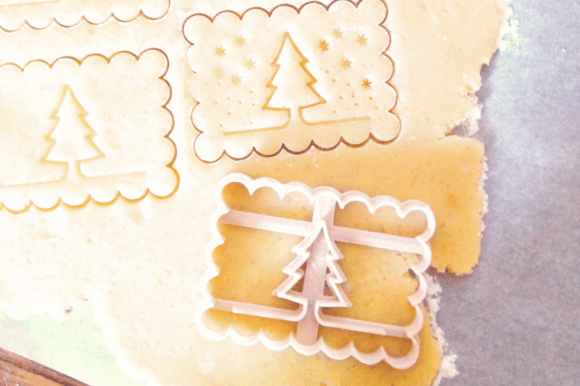
The transition from a digital STL file to a physical baking tool represents a paradigm shift in how we approach kitchenware. The Christmas Tree Cookie Cutter is no longer just a product you buy off a shelf; it is a design you can own, modify, and reproduce. The workflow begins with downloading the specific file format required by your 3D printer. Once the file is secured, the printing process involves selecting the appropriate material, typically food-safe PLA or PETG, ensuring that the final product meets safety standards for food contact.
For hobbyists and makers, this process offers an educational opportunity. It introduces concepts of layer height, infill density, and wall thickness, all of which impact the durability and performance of the cutter. A thicker wall might be necessary for stiff sugar doughs, while a thinner profile could suffice for softer shortbread. Understanding these variables empowers users to troubleshoot and optimize their tools, leading to cleaner cuts and less dough deformation.
Furthermore, the digital nature of the file means that the design is never truly lost. If a physical cutter breaks or gets misplaced, it can be reprinted in minutes rather than requiring a replacement purchase. This sustainability aspect appeals to environmentally conscious consumers who wish to reduce plastic waste associated with disposable or low-quality bakeware. The ability to print only what is needed, exactly when it is needed, aligns with the principles of efficient resource management.
Material Considerations for Food Safety and Durability
When utilizing a Christmas Tree Cookie Cutter produced via 3D printing, material selection is paramount. While many filaments are marketed as food safe, it is crucial to understand the nuances of post-processing. Smooth surfaces are essential to prevent dough from sticking and to ensure easy release. Sanding or applying a food-grade sealant can transform a rough printed surface into a polished tool ready for the kitchen.
Durability is another factor to consider. Unlike cast metal, which can last for decades, 3D printed items may have different wear characteristics depending on the filament used and the stress applied during cutting. For high-volume production, such as in a commercial bakery, reinforced materials or specific printing orientations (such as printing vertically to increase strength) might be necessary. However, for home use and occasional baking sessions, standard high-quality filaments provide sufficient longevity and performance.
Creative Applications Beyond Traditional Cookies
While the primary function of a Christmas Tree Cookie Cutter is self-evident, its utility extends far beyond sugar cookies. The geometric precision of the tree shape makes it suitable for a variety of culinary applications. Savory bakers can use the cutter to shape herb-infused biscuits, cheese straws, or even vegetable-based patties for holiday appetizers. Imagine a platter of savory spinach and feta triangles shaped like trees, offering a festive twist on traditional hors d'oeuvres.
In the realm of confectionery, the cutter can be used to shape fondant or marzipan for cake decorations. A small tree made of marzipan can sit atop a fruitcake, while larger fondant trees can be arranged to create a winter scene on a wedding cake or a birthday treat. The versatility of the shape allows it to integrate seamlessly into various color palettes and flavor profiles, from peppermint and chocolate to gingerbread and vanilla bean.
Educators and parents can also leverage this tool for interactive learning experiences. Baking with children provides a tactile way to teach geometry, symmetry, and measurement. Using a Christmas Tree Cookie Cutter allows kids to explore the concept of scale by comparing the different sizes. They can calculate the area of the dough removed or discuss the properties of the triangle shape that defines the tree. This transforms a simple baking activity into a multidisciplinary lesson plan that combines math, science, and art.
Customization and Personalization Trends
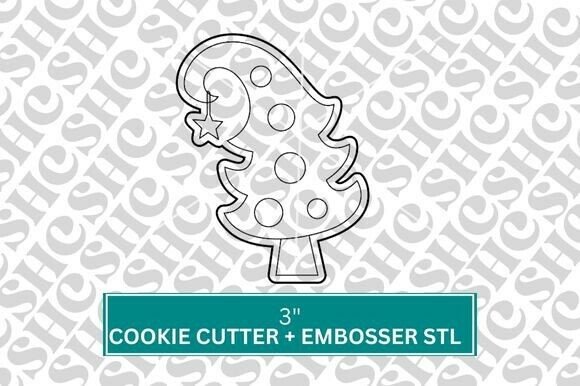
The trend toward personalization in the holiday season is driving demand for unique baking tools. Mass-produced cutters often lack the distinctive character that handmade gifts possess. With a downloadable Christmas Tree Cookie Cutter file, creators have the freedom to modify the design before printing. Advanced users might add their family name to the base of the tree, incorporate specific ornament styles, or adjust the proportions to suit a particular aesthetic.
This level of customization fosters a deeper connection between the baker and the final product. When a guest receives a cookie tin filled with uniquely shaped trees that reflect the host's personal touch, the sentiment behind the gift is amplified. It signals effort, creativity, and care. For small business owners specializing in holiday treats, offering custom-shaped cookies can be a powerful differentiator in a crowded market. It allows brands to build a unique identity around their products, setting them apart from generic competitors.
Moreover, the ability to iterate quickly means that trends can be adopted instantly. If a specific style of tree decoration becomes popular on social media, a baker can adjust their cutter design to match without waiting for suppliers to manufacture new inventory. This agility is a significant advantage in the fast-paced world of consumer trends.
Integrating the Tool into Professional and Home Workflows
Whether in a bustling commercial kitchen or a cozy home oven, the integration of a Christmas Tree Cookie Cutter requires thoughtful planning. For professionals, consistency is key. Using a standardized set of sizes ensures that every batch of cookies looks uniform, which is critical for branding and presentation. The ability to print multiple copies of the same cutter allows for parallel processing, speeding up production times during peak holiday seasons.
Home bakers, on the other hand, benefit from the flexibility and storage efficiency of these tools. Traditional sets often take up considerable drawer space. A 3D printed set can be stored flat or disassembled if designed with modular components. Additionally, the cost-effectiveness of printing one's own tools makes it accessible for families to experiment with different designs without a significant financial investment. It lowers the barrier to entry for those wishing to try advanced decorating techniques.
The workflow also encourages collaboration. Families can gather to decorate the printed cutters themselves before using them, turning the preparation phase into a bonding activity. Painting the handles with non-toxic paints or adding grip tape can make the tools more comfortable to use for individuals with limited hand strength, promoting inclusivity in the kitchen.
Final Thoughts on Festive Innovation
The evolution of the Christmas Tree Cookie Cutter from a static metal object to a dynamic, printable design reflects broader changes in how we approach creativity and consumption. It bridges the gap between digital design and tangible joy, offering a solution that is both practical and inspiring. By embracing this technology, bakers of all levels can enhance their holiday traditions, creating memorable experiences that resonate with friends and family.
As the holiday season approaches, the invitation to bake is more compelling than ever. With the right tools and a dash of imagination, the simple act of cutting dough can become a celebration of craftsmanship. Whether you are printing your first set or refining a complex collection, the Christmas Tree Cookie Cutter stands as a symbol of the season's spirit—versatile, enduring, and full of potential. Download the file, print your tools, and let the baking begin, knowing that every cookie you create carries the mark of your personal touch and the warmth of the holidays.