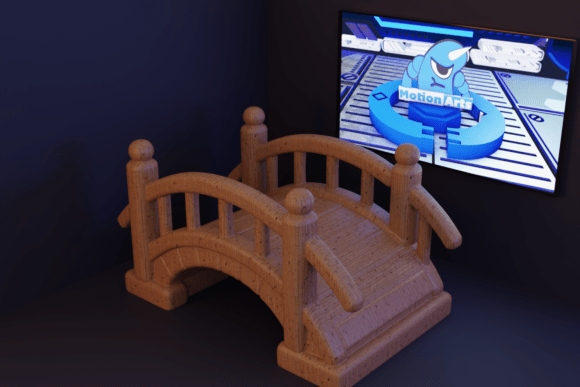
The Wooden Bridge: A Creative Asset for Design
In the world of visual storytelling, a single element can transform a flat concept into an immersive experience. Imagine a Wooden Bridge that doesn't just connect two points but invites the viewer to step into a whimsical narrative. This specific 3D model, characterized by its rounded planks and light structure, offers more than just a physical form; it provides a unique stylistic anchor for designers working across digital marketing, editorial layouts, and brand identity projects.
Elevating Visual Design with Character
Modern graphic design often struggles between hyper-realism and abstract minimalism. The cartoon-style wooden bridge occupies a sweet spot in this spectrum, offering a "fun structure" that feels approachable yet professional. For creatives building dioramas or fantasy sets, this asset serves as a foundational piece that establishes tone immediately. Its simple, solid geometry ensures it remains legible even when scaled down for miniatures or integrated into complex UI designs.
When selecting creative assets, the goal is always to enhance communication without overwhelming the message. This particular model, available as an STL file, requires support during printing but rewards the creator with a charming piece that brings life and personality to scenes. Whether you are crafting a logo design that needs a playful touch or developing packaging design for a children's product line, the visual weight of this bridge adds depth without clutter.
Practical Applications in Branding and Media
The versatility of this design allows it to function effectively across various mediums. Here is how you can integrate such elements into your workflow:
- Brand Identity and Logo Design: Use the bridge motif to symbolize connection, transition, or stability in a way that feels friendly and organic. The rounded edges soften the brand voice, making it ideal for lifestyle or education sectors.
- Social Media Graphics: Create engaging posts where the bridge acts as a literal or metaphorical path for users to follow. Its distinct silhouette works well as a standalone icon or part of a larger illustration.
- Editorial and Web Design: Incorporate the model into hero sections or article headers to break up text-heavy layouts. It adds a three-dimensional quality to 2D web pages, improving user engagement through visual hierarchy.
- Packaging and Merchandise: The clean lines make it perfect for embossing on boxes or printing on merchandise like tote bags and stickers, ensuring scalability without losing detail.
Optimizing Your Design Workflow
Integrating a 3D model into a 2D design system requires careful consideration of lighting, color palette, and composition. Since the base design is simple and ideal for painting, you have full control over the final aesthetic. To maintain a professional presentation, ensure the colors you apply align with your existing brand guidelines. A vibrant color palette can make the bridge pop in advertising campaigns, while muted earth tones might better suit a sophisticated editorial layout.
Consistency is key when using such assets. If you choose a cartoon style for one element, ensure the typography and other imagery match that level of stylization. Mismatched styles can confuse the audience and weaken the visual hierarchy. For instance, pairing this playful bridge with a stark, corporate sans-serif font might create dissonance unless intentionally used for contrast.
Technical Considerations for Creators
For those physically producing this asset, remember that support structures are necessary during the printing process. However, once post-processed, the surface is smooth enough for high-quality rendering or photography. When photographing the printed model for use in digital products, pay attention to the shadows and highlights to maintain the "light look" described in the original concept. Good lighting will emphasize the rounded planks and reinforce the fun, inviting nature of the structure.
Whether you are a marketer looking for fresh design inspiration or a designer refining a UX interface, the choice of assets defines the quality of your output. By selecting elements that balance simplicity with character, you create work that resonates emotionally and communicates clearly.
Ultimately, thoughtful design choices like incorporating a charming wooden bridge demonstrate a commitment to detail and creativity. These small touches elevate the overall user experience, turning standard projects into memorable interactions that stand out in a crowded digital landscape.