Chained Dragon: A Beginner-Friendly 3D Print with Symbolic Power
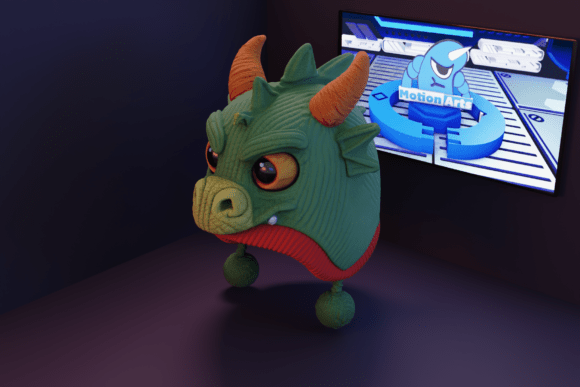
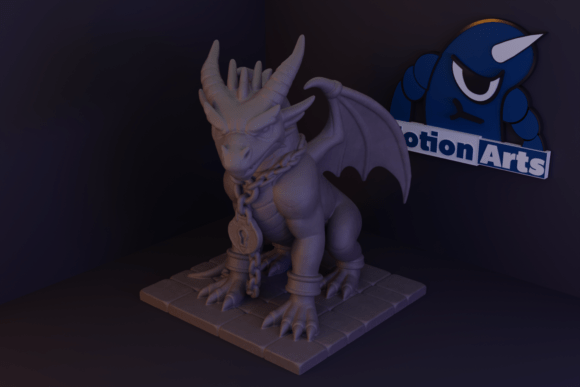
The Chained Dragon has quickly become a favorite among 3D printing enthusiasts, bridging the gap between artistic expression and technical feasibility. This model depicts a powerful creature bound by chains, rendered in a stylized, cartoon-like aesthetic that captures emotion without overwhelming complexity. For those new to additive manufacturing, the appeal is immediate: it offers a striking visual presence while remaining forgiving enough for a first or second print. However, even beginner-friendly models require attention to detail to ensure the final result matches the digital preview. Understanding the nuances of this specific design can save you hours of troubleshooting and wasted filament.
Understanding the Design Philosophy
At its core, the Chained Dragon is designed to balance strength with accessibility. The rounded shapes and compact footprint are intentional choices made by the creator to minimize overhangs and reduce the likelihood of print failures. Unlike hyper-realistic dragons that demand complex support structures and high-resolution settings, this model leans into a simplified form factor. The chains wrapping around the dragon are not just decorative; they serve as structural anchors in the design, helping to define the silhouette while keeping the geometry manageable for FDM printers.
Many users are drawn to this model because it serves as a perfect "bridge" project. It moves beyond simple calibration cubes but does not require the advanced skills needed for articulated mechanical parts. It is an imposing figure that conveys a narrative—struggle, containment, or resilience—making it an excellent centerpiece for a desk or a collectible shelf. Whether you are a hobbyist looking to expand your portfolio or a small business owner testing figurine production, this STL file offers a reliable starting point.
Common Pitfalls When Preparing the Model
Despite its reputation as a beginner-friendly project, several common mistakes can compromise the quality of your Chained Dragon print. The most frequent error is underestimating the need for supports. While the design is optimized for ease, the chains and the dragon's wings create natural overhangs that gravity cannot ignore. Printing without adequate support structures often results in drooping details, where the chains lose their definition or the wings sag, ruining the emotional impact of the piece.
Another overlooked detail is orientation. Many beginners place the model flat on the bed to save time, assuming it will be stable. However, this orientation can hide the texture of the scales or make the chains difficult to remove from the build plate later. Rotating the model slightly so that the base sits flush but the body angles upward can significantly improve surface finish and reduce the amount of support material required. Ignoring this step often leads to a struggle during post-processing, where removing supports might damage the delicate chain links.
The Importance of Support Strategies
The Chained Dragon explicitly requires supports, and treating this requirement as optional is a recipe for frustration. The interaction between the dragon's body and the chains creates tight spaces where molten plastic can bridge unintentionally if not properly scaffolded. If you use automatic support generation in your slicer, do not rely on the default settings alone. Instead, manually adjust the support density and placement to target the specific areas where the chains intersect with the body.
A practical approach is to use tree-style supports rather than standard grid supports. Tree supports offer better contact points and are generally easier to remove from curved surfaces like a dragon's back or the loops of a chain. This method reduces the risk of leaving visible scars on the model, which is crucial for maintaining the smooth, cartoon-style aesthetic. Furthermore, ensuring a slight separation distance between the support and the model can prevent the "glue effect," where supports fuse too tightly to the main object.
Material Selection Matters
While PLA is the go-to material for beginners, the choice of filament color and type affects the perception of the Chained Dragon. Because the design relies on shadows and highlights to define the chains against the body, a matte finish often works better than a glossy one. Glossy filaments can reflect light in a way that flattens the depth of the chains, making them look like part of the skin rather than distinct restraints. Additionally, using a contrasting color for the supports (if your printer allows multi-material) or simply choosing a filament that contrasts well with your build plate can help you spot layer shifts or adhesion issues early.
Evaluating Quality Before You Print
Before committing to a full print run, especially if you are planning to sell these figures or gift them, always perform a test print at a smaller scale. Downloading the STL file is only the first step; inspecting the mesh for errors is equally important. Look for non-manifold edges or holes in the geometry that might cause your slicer to misinterpret the volume. Although the Chained Dragon is generally well-optimized, variations in how different slicers interpret the data can lead to unexpected gaps.
Check the infill percentage carefully. For a display model like this, a standard 15% to 20% infill is usually sufficient. Over-infilling increases print time and cost without adding significant value to a static figurine. Conversely, under-infilling might leave the chains feeling fragile or hollow. The goal is to achieve a balance where the model feels substantial in the hand but prints efficiently. Remember, the visual impact comes from the outer shells and the top/bottom layers, not the internal lattice.
Post-Processing for Maximum Impact
The true potential of the Chained Dragon is often realized after the print is complete. The removal of supports is a critical phase where patience is key. Rushing this process can snap off delicate chain links or scratch the dragon's snout. Use fine-tipped pliers and a steady hand, working from the bottom up to gently peel away the support material. For stubborn bits, a hobby knife or sandpaper can be used, but proceed with caution to preserve the rounded contours that define the cartoon style.
Painting can elevate the model from a simple print to a piece of art. The stylized nature of the dragon makes it forgiving for beginners who are learning airbrushing or brush painting techniques. Focus on highlighting the chains to emphasize the tension and the story of the piece. A metallic silver or gunmetal wash on the chains against a vibrant scale color creates a dynamic contrast that draws the eye. Avoid over-painting the details; the clean lines of the original design should remain visible to maintain its charm.
Making the Right Decision
Deciding to download and print the Chained Dragon is a solid choice for anyone looking to build confidence in 3D printing. Its blend of symbolic depth and technical simplicity makes it an ideal candidate for portfolios, gifts, or personal collections. By avoiding common mistakes such as neglecting supports, ignoring orientation, or rushing post-processing, you ensure that the final product stands out with the strength and presence intended by the designer.
Whether you are a freelancer offering custom prints or an educator demonstrating the capabilities of additive manufacturing, this model provides a reliable foundation. Take the time to prepare your slicer settings, choose the right materials, and handle the post-processing with care. With these steps, the Chained Dragon will not just be another print; it will be a testament to your growing skill and an impressive addition to any space.