Skull Dripping Blood: A Definitive Guide to 3D Printing Gothic Artistry
In the rapidly evolving landscape of digital fabrication, few objects capture the intersection of technical precision and visceral storytelling quite like the Skull Dripping Blood. This specific 3D model has transcended its origins as a simple STL file to become a cultural touchstone for creators, designers, and enthusiasts who seek to infuse their physical spaces with mystery and intensity. Whether you are a professional product designer exploring dark aesthetics or a hobbyist looking to challenge your slicing software, understanding the nuances of this model is essential for modern makers.
The Anatomy of a Digital Masterpiece
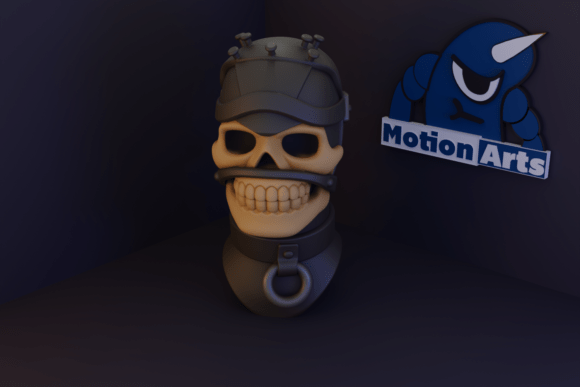
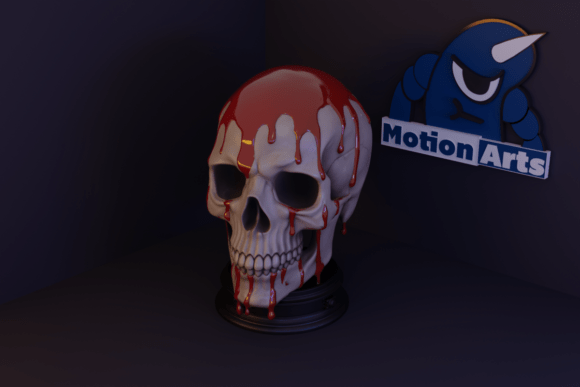
At its core, the Skull Dripping Blood – 3D Model for Printing is more than just a geometric representation of a human cranium. It is a study in fluid dynamics frozen in plastic. The design leverages complex topology to simulate the organic flow of blood cascading down bone, creating a realistic dripping effect that demands both artistic vision and engineering foresight. Unlike static sculptures, this model relies on overhangs and varying angles to achieve its signature look, making it a prime candidate for testing the capabilities of FDM (Fused Deposition Modeling) printers.
For professionals entering the realm of custom decor, this piece serves as an excellent entry point into high-detail printing. The file format, typically provided as an STL, contains the necessary mesh data to reconstruct the object layer by layer. However, the true value lies not just in the download, but in how the model interacts with the physics of the printing process. The "dripping" elements are intentionally designed with steep angles, requiring careful consideration during the preparation phase.
Technical Considerations for Creators
When approaching the Skull Dripping Blood, the technical workflow shifts from simple extrusion to strategic support management. The metadata associated with this model often indicates that support is required. This is a critical distinction for anyone managing a print farm or a personal workspace. The supports act as temporary scaffolding, holding up the delicate tendrils of simulated blood until the structure is complete.
- Support Strategy: Utilizing tree supports or standard linear supports can significantly alter the final surface finish. Tree supports often leave smaller contact points, making post-processing easier for the intricate blood drips.
- Orientation Matters: Rotating the model on the build plate can reduce the amount of support material needed, thereby saving filament and reducing print time without compromising the integrity of the drip effect.
- Layer Height: To capture the realism of the blood texture, a finer layer height (0.1mm to 0.16mm) is recommended, even though this increases the total print duration.
Despite these challenges, the model is classified as Level Beginner in terms of overall complexity. This classification does not imply simplicity in execution, but rather accessibility in design logic. It invites new users to learn the ropes of support removal and orientation without the overwhelming geometry of advanced mechanical parts.
Market Trends: The Rise of Dark Aesthetics in Consumer Culture
The surge in popularity surrounding models like the Skull Dripping Blood is not accidental; it reflects a broader shift in consumer preferences and interior design trends. We are witnessing a move away from sterile, minimalist environments toward spaces that express individuality, mood, and narrative. The gothic and dark themes have permeated mainstream culture, driven by media, fashion, and a growing appreciation for the macabre as a form of artistic expression.
For entrepreneurs and marketers, this trend presents a unique opportunity. The demand for personalized, bold decor items is outpacing mass-produced alternatives. Consumers are no longer satisfied with generic figurines; they want pieces that tell a story. The Crânio Escorrendo Sangue – Modelo 3D para Impressão (as it is known in Portuguese markets) exemplifies this desire for impactful, personality-filled models. It appeals to collectors who view their shelves as curated galleries rather than mere storage spaces.
The Psychology of Bold Decor
Why are people paying attention to such intense imagery? Psychologically, the skull has long been a symbol of mortality, power, and rebellion. When combined with the dynamic element of dripping blood, the object becomes a focal point that commands attention. In a world increasingly dominated by digital screens, having a tangible, three-dimensional object that evokes a strong emotional response provides a grounding experience. It challenges the viewer and adds a layer of depth to the room's atmosphere.
This shift is also evident in the lifestyle sector. Home offices, gaming setups, and creative studios are adopting these darker tones to create immersive environments. The Skull Dripping Blood fits seamlessly into these contexts, serving as a conversation starter and a testament to the owner's appreciation for detailed craftsmanship. It signals a willingness to embrace the unconventional and to celebrate art that pushes boundaries.
Workflow Evolution: From File to Finished Product
The relevance of the Skull Dripping Blood extends beyond the aesthetic; it represents a change in how creators approach their workflows. The transition from downloading a file to producing a finished artifact involves a series of decisions that refine one's skills as a maker. For freelancers and small business owners offering 3D printing services, mastering this type of model is crucial for expanding service offerings.
Modern slicing software has evolved to handle complex geometries with greater ease, yet the human element remains irreplaceable. The decision to print this model requires an understanding of material properties. PLA is often the go-to choice for beginners due to its ease of use, but for a more durable and glossy finish that mimics wet blood, PETG or ABS might be preferred, albeit with higher printing temperatures and potential warping risks.
- Pre-Print Analysis: Inspect the STL for non-manifold edges or holes that could cause print failures.
- Material Selection: Choose a filament color palette that enhances the contrast between the bone and the blood. Red and off-white combinations are classic, but metallic filaments can add a futuristic twist.
- Post-Processing: Sanding, priming, and painting are essential steps to elevate the model from a raw print to a gallery-worthy piece. The "dripping" effect benefits greatly from airbrushing techniques to blend the colors realistically.
This workflow encourages a mindset of continuous improvement. Each print of the Skull Dripping Blood offers lessons in thermal management, adhesion, and structural integrity. As technology advances, with multi-material printers becoming more accessible, the potential for even more realistic effects—such as actual translucent red resin for the blood—will only increase the model's appeal.
Strategic Value for Businesses and Collectors
For businesses operating in the creative industry, incorporating models like this into a portfolio demonstrates versatility. It shows an ability to handle thematic requests and deliver high-quality results in niche markets. Whether for Halloween promotions, gothic-themed events, or permanent installations, the Skull Dripping Blood is a versatile asset that can be scaled and adapted.
Furthermore, the global nature of 3D printing communities means that trends spread quickly across borders. The availability of this model in multiple languages, including the Portuguese description "Deixe esse crânio escorrendo sangue trazer um toque de mistério e intensidade para seus projetos 3D", highlights its international reach. Creators in Brazil, Europe, and North America are all engaging with similar files, fostering a shared language of design and innovation.
Entrepreneurs should consider the scalability of such designs. While a single print is a great gift or display item, batch production for retail requires optimizing the print settings to balance speed and quality. Understanding the economic implications of support material usage and print time is vital for turning a passion project into a profitable venture.
Conclusion: Embracing the Challenge
The Skull Dripping Blood is more than a decorative object; it is a catalyst for creativity and technical growth. It challenges printers to refine their skills, inspires designers to explore darker narratives, and satisfies consumers seeking unique, personality-driven decor. As the 3D printing industry continues to mature, models that blend art and engineering will remain at the forefront of innovation.
Whether you are printing your first layer or running a commercial print farm, let this blood-dripping skull bring a touch of mystery and intensity to your projects. It stands as a testament to what is possible when digital design meets physical reality, inviting us all to push the boundaries of our craft and embrace the boldness of the unknown.