Skull Planter: The Intersection of Gothic Aesthetics and 3D Printing
The modern home is no longer just a shelter; it is a curated extension of personal identity. In an era where mass-produced furniture often lacks soul, individuals are seeking objects that tell a story, provoke thought, or simply disrupt the monotony of conventional design. Enter the Skull Planter, a striking object that merges the macabre with the botanical. This is not merely a vessel for succulents or air plants; it is a bold declaration of style that challenges the boundaries between life and death, nature and artifice. For those who appreciate the darker side of aesthetics, this piece offers a sophisticated way to embrace the gothic without sacrificing functionality.
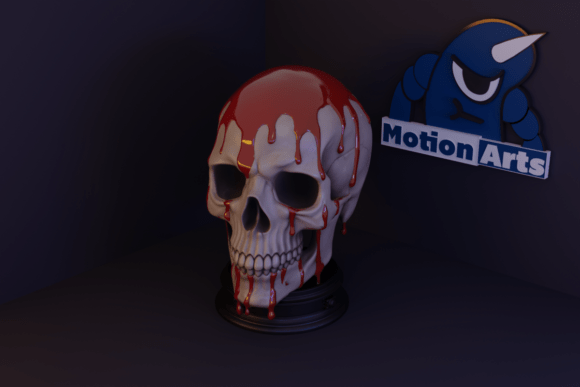
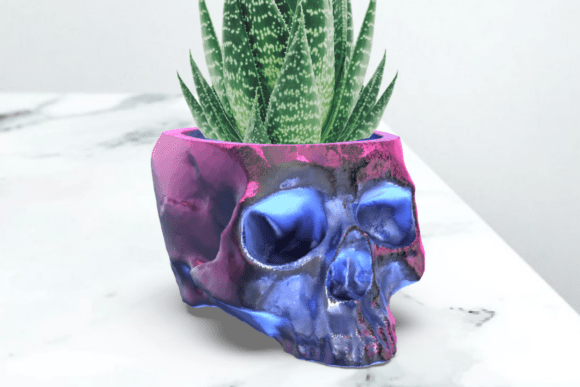
What makes the Skull Planter particularly relevant today is its accessibility through digital fabrication. Unlike traditional ceramic or stone sculptures that require skilled artisans and lengthy production times, this design leverages the power of 3D printing technology. By downloading a high-quality STL file, creators can produce a detailed, three-dimensional human skull flower pot in their own homes. This shift from passive consumerism to active creation aligns perfectly with current cultural trends favoring customization and hands-on engagement.
The Evolution of Macabre Elegance in Modern Interiors
Gothic decor has undergone a significant transformation over the last two decades. Once confined to niche subcultures or horror-themed entertainment, elements of gothic design have permeated mainstream interior styling. The "dark academia" trend, the resurgence of Victorian aesthetics, and the broader appreciation for moody, atmospheric spaces have paved the way for items like the Skull Planter to find a comfortable home on office desks, living room shelves, and garden patios alike.
This evolution reflects a deeper psychological shift. As the world becomes increasingly fast-paced and digitally saturated, there is a growing desire for objects that ground us in reality. The skull, historically a symbol of mortality (memento mori), serves as a reminder of life's fragility. When paired with a living plant, the symbolism deepens: life emerging from the symbol of death creates a powerful visual metaphor for resilience and renewal. It is this nuanced storytelling that elevates the Skull Planter from a simple Halloween decoration to a year-round statement piece.
Professionals and creatives, in particular, are drawn to this juxtaposition. In a workspace dominated by sleek screens and minimalist lines, a 3D printed skull planter adds texture and character. It signals to visitors that the owner values uniqueness and possesses a willingness to challenge norms. Whether you are a graphic designer, a writer, or a business owner, your environment influences your mindset. Surrounding yourself with edgy sophistication can foster a creative atmosphere where unconventional ideas are welcomed.
Why Unique Home Decor Matters in a Digital Age
In a market flooded with identical products available at the click of a button, the value of unique home decor has skyrocketed. Consumers are becoming more discerning, rejecting generic items in favor of pieces that offer narrative depth and visual intrigue. The Skull Planter fits this demand perfectly. Its intricate features—ranging from the curvature of the jaw to the detailing of the eye sockets—offer a level of complexity that flat, screen-based interactions cannot replicate.
Furthermore, the tactile nature of 3D printed objects provides a sensory experience that is increasingly rare. Holding a physical object, feeling the layer lines of the print, and watching a plant grow within a sculpted form engages the senses in a way that virtual environments do not. This tactile engagement is crucial for mental well-being, offering a break from the intangible nature of digital work and social interaction.
- Conversation Starter: The design naturally invites questions and dialogue, breaking the ice in social settings or client meetings.
- Personal Expression: It allows individuals to curate a space that reflects their specific tastes rather than adhering to a generic design manual.
- Sustainable Customization: Creating your own decor reduces reliance on shipping heavy goods and allows for material choices that fit local sustainability goals.
The Democratization of Design Through 3D Printing
The true revolution behind the Skull Planter lies in its format: the 3D STL file. This digital blueprint represents a fundamental shift in how we acquire and interact with physical goods. Traditionally, acquiring a custom sculpture required significant financial investment and access to specialized manufacturing. Today, the barrier to entry has been lowered dramatically. With a standard FDM or resin 3D printer, anyone can transform a digital download into a tangible masterpiece.
This democratization empowers hobbyists and entrepreneurs alike. For the hobbyist, it is a rewarding project that combines technical skill with artistic vision. Adjusting print settings, choosing filament colors, and post-processing the model to achieve a smooth finish becomes part of the creative journey. For the entrepreneur, it opens new avenues for small-batch production. Imagine selling these planters in various sizes, materials, or colorways, catering to a niche market that craves personalized gothic decor.
The workflow for creating a Skull Planter is straightforward yet flexible. Users can scale the model to fit different plant varieties, from tiny cacti to larger trailing vines. They can also experiment with infill densities to manage weight and durability. This adaptability ensures that the final product meets specific needs, whether it is for a delicate indoor windowsill or a rugged outdoor setting.
Practical Implications for Creators and Professionals
For professionals managing brands or creative agencies, understanding the appeal of such items can inform marketing strategies and product development. The rise of "maker culture" suggests that audiences value transparency and the story behind a product. Highlighting the process—from the digital download to the physical print—can build trust and engagement with your audience.
Moreover, the Skull Planter exemplifies the potential of on-demand manufacturing. Instead of maintaining large inventories of stock, businesses can adopt a print-on-demand model. This reduces waste, lowers overhead costs, and allows for rapid iteration based on customer feedback. If a client wants a specific modification to the skull design, it can be adjusted in the CAD software and reprinted immediately, a level of responsiveness that traditional supply chains struggle to match.
Educators and workshop leaders can also leverage this topic to teach valuable skills. Integrating 3D modeling and printing into curriculums using engaging projects like the Skull Planter can spark interest in STEM fields while fostering artistic expression. It demonstrates how technology can serve creativity, bridging the gap between engineering and design.
Maximizing the Impact of Your Skull Planter
Once you have downloaded the STL file and printed your 3D Skull Planter, the next step is integration. To truly unleash your inner rebel and elevate your decor, consider the placement and styling of the piece. Lighting plays a crucial role; casting dramatic shadows across the contours of the skull can enhance its eerie elegance. Pairing it with low-maintenance plants like snake plants, ZZ plants, or air plants ensures the focus remains on the container while keeping maintenance minimal.
Material choice is another variable that can drastically alter the aesthetic. While standard PLA filament works well for indoor use, upgrading to PETG or ASA filaments can provide better durability for outdoor applications. Post-processing techniques, such as sanding, priming, and painting, allow for endless customization. You might opt for a weathered bone look, a glossy black finish, or even metallic accents to complement other elements in your room.
Ultimately, the Skull Planter is more than a trend; it is a testament to the evolving relationship between humans, technology, and their environment. It encourages us to think critically about what we bring into our spaces and why. By embracing the darkness and the intricacy of this design, you are not just decorating a room; you are curating an experience. So why wait? Download the STL file today, start printing your 3D Skull Planter, and add a touch of edgy sophistication to your home. Embrace the conversation, celebrate the unique, and let your space reflect the complexity of your own perspective.